
- Email: info@completewd.com
- Phone: 705.735.0988
- Address: 53 Churchill Drive, Unit 1
Barrie, Ontario, Canada, L4N 8Z5 -
Hours:
Mon-Thurs: 8:00am - 5:00pm
Fri: 8:00am - 4:00pm
Sat-Sun: Closed
How New Windows Can Lower Your Energy Bills
If your energy bills seem higher than they should be, your windows may be part of the problem.
Many homeowners focus on upgrading their furnace, air conditioner, or insulation when trying to improve energy efficiency. While those improvements can certainly help, aging windows are often one of the biggest sources of energy loss in a home.
Modern replacement windows are designed to reduce heat transfer, improve insulation, and help your heating and cooling systems operate more efficiently. Here's how new windows can help lower your energy bills while making your home more comfortable throughout the year.
HOW WINDOWS AFFECT ENERGY EFFICIENCY
Your windows act as a barrier between your home's interior and the outdoor environment.
When windows become older or less efficient, they allow more heat to escape during the winter and more heat to enter during the summer. This forces your heating and cooling systems to work harder to maintain a comfortable temperature.
The harder your HVAC system works, the more energy it consumes.
That's why upgrading inefficient windows can have a noticeable impact on your home's overall energy performance.
REDUCING HEAT LOSS DURING WINTER
Ontario winters can be tough on older windows.
Drafts, poor insulation, and aging glass units can allow valuable heat to escape from your home. Every bit of lost heat must be replaced by your furnace, increasing energy consumption and utility costs.
Modern window replacements are designed to minimize heat transfer and help keep warm air inside where it belongs.
This improved insulation helps create a more comfortable indoor environment while reducing the workload on your heating system.
Energy efficiency isn't just important during winter.
During the summer months, sunlight and outdoor heat can enter your home through older windows, causing indoor temperatures to rise.
As temperatures increase, your air conditioning system must work harder to keep your home comfortable.
Modern window technologies help reduce solar heat gain, allowing you to maintain a more consistent indoor temperature while improving cooling efficiency.

THE BENEFITS OF LOW E GLASS
One of the key features found in many energy efficient windows is Low E glass.
Low E stands for "low emissivity," which refers to a special coating applied to the glass.
This microscopic coating helps regulate heat transfer by reflecting heat where it's needed most.
Benefits of Low E glass include:
- Improved indoor comfort
- Better year round energy efficiency
- Reduced heat loss in winter
- Reduced heat gain in summer
- Protection from harmful UV rays
Low E technology helps your windows work smarter without affecting the natural light entering your home.
HOW INSULATED GLASS IMPROVES PERFORMANCE
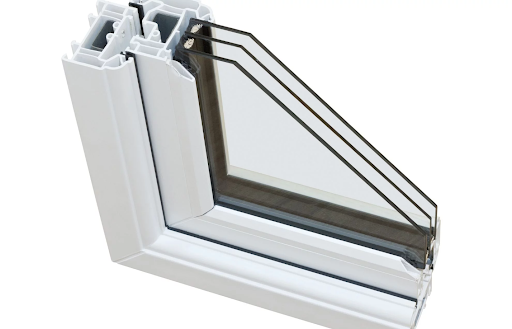
Most modern replacement windows use insulated glass units consisting of multiple panes of glass separated by sealed air or gas filled spaces.
These layers create additional insulation compared to older single pane windows.
The extra insulation helps reduce heat transfer and improve overall energy efficiency.
When combined with quality frames and professional installation, insulated glass plays a major role in helping homeowners lower energy consumption.
SAY GOODBYE TO DRAFTS AND AIR LEAKS
Even small drafts can have a big impact on comfort and efficiency.
Over time, seals and weatherstripping around older windows can deteriorate, allowing outside air to enter and conditioned air to escape.
Modern replacement windows are designed with advanced weather sealing systems that help reduce unwanted air leakage.
The result is a more comfortable home with fewer temperature fluctuations and less strain on your heating and cooling equipment.
MORE COMFORT CAN MEAN LOWER COSTS
Many homeowners focus solely on potential utility savings when considering new windows.
However, improved comfort is often one of the most noticeable benefits.
New windows can help:
- Eliminate cold spots near windows
- Reduce drafts
- Improve temperature consistency between rooms
- Reduce outside noise
- Create a more enjoyable living environment
When your home maintains a consistent temperature more efficiently, your HVAC system doesn't need to work as hard to keep up.

THE IMPORTANCE OF PROFESSIONAL INSTALLATION
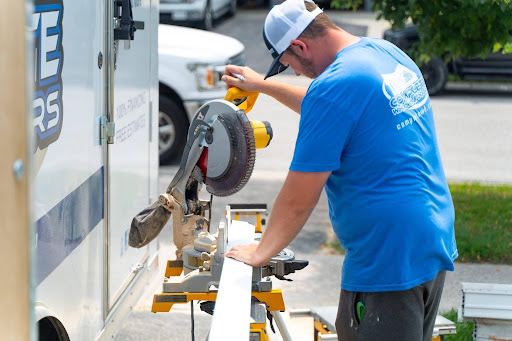
Even the most energy efficient window can underperform if it isn't installed correctly.
Proper installation helps ensure:
- Accurate fit
- Effective sealing
- Proper insulation around the opening
- Long term performance
Poor installation can allow air leakage and moisture intrusion that reduce the benefits of even the highest quality window.
That's why selecting the right installation team is just as important as selecting the right window.
For many homeowners, the answer is yes.
While replacement windows require an upfront investment, they can provide long term benefits through:
- Improved energy efficiency
- Lower heating and cooling costs
- Increased comfort
- Enhanced curb appeal
- Improved home value
The exact savings will vary from home to home, but modern energy efficient windows are often one of the most effective ways to improve a home's overall performance.
INVEST IN COMFORT AND EFFICIENCY
If your home has drafty, aging, or inefficient windows, upgrading to modern replacement windows may help improve comfort while reducing unnecessary energy loss.
By minimizing heat transfer, reducing air leaks, and improving insulation, new windows can help your home stay comfortable year round while supporting lower energy consumption.
Whether you're looking to improve efficiency, increase comfort, or enhance the appearance of your home, replacement windows can be a valuable long term investment.
FAQs
Will new windows really lower my energy bills?
New energy efficient windows can help reduce heat loss and air leakage, which may lower heating and cooling costs while improving comfort.
How do energy efficient windows work?
They use advanced features such as Low E glass, insulated glass units, and improved weather sealing to reduce heat transfer and improve insulation.
What is the biggest cause of energy loss through windows?
Common causes include air leaks, poor insulation, aging seals, and older glass technologies that allow heat to move more easily through the window.
July 13th, 2026