
- Email: info@completewd.com
- Phone: 705.735.0988
- Address: 53 Churchill Drive, Unit 1
Barrie, Ontario, Canada, L4N 8Z5 -
Hours:
Mon-Thurs: 8:00am - 5:00pm
Fri: 8:00am - 4:00pm
Sat-Sun: Closed

Window Performance Explained: A Homeowner's Guide to Choosing the Right Windows
When homeowners start shopping for window replacements, they're often introduced to terms like Low E glass, argon gas, U Factor, ENERGY STAR® ratings, and triple pane glass.
It's a lot to take in.
The good news is that you don't need to become a window expert to make an informed decision. Understanding a few key performance factors can help you compare products more confidently and choose windows that are right for your home.
Whether you're replacing drafty windows, building a new home, or simply exploring your options, this guide will help explain what window performance means and why it matters.
Why Window Performance Matters
Your windows do much more than provide natural light and outdoor views.
They play a major role in your homes:
- Energy efficiency
- Indoor comfort
- Heating and cooling costs
- Noise reduction
- Condensation control
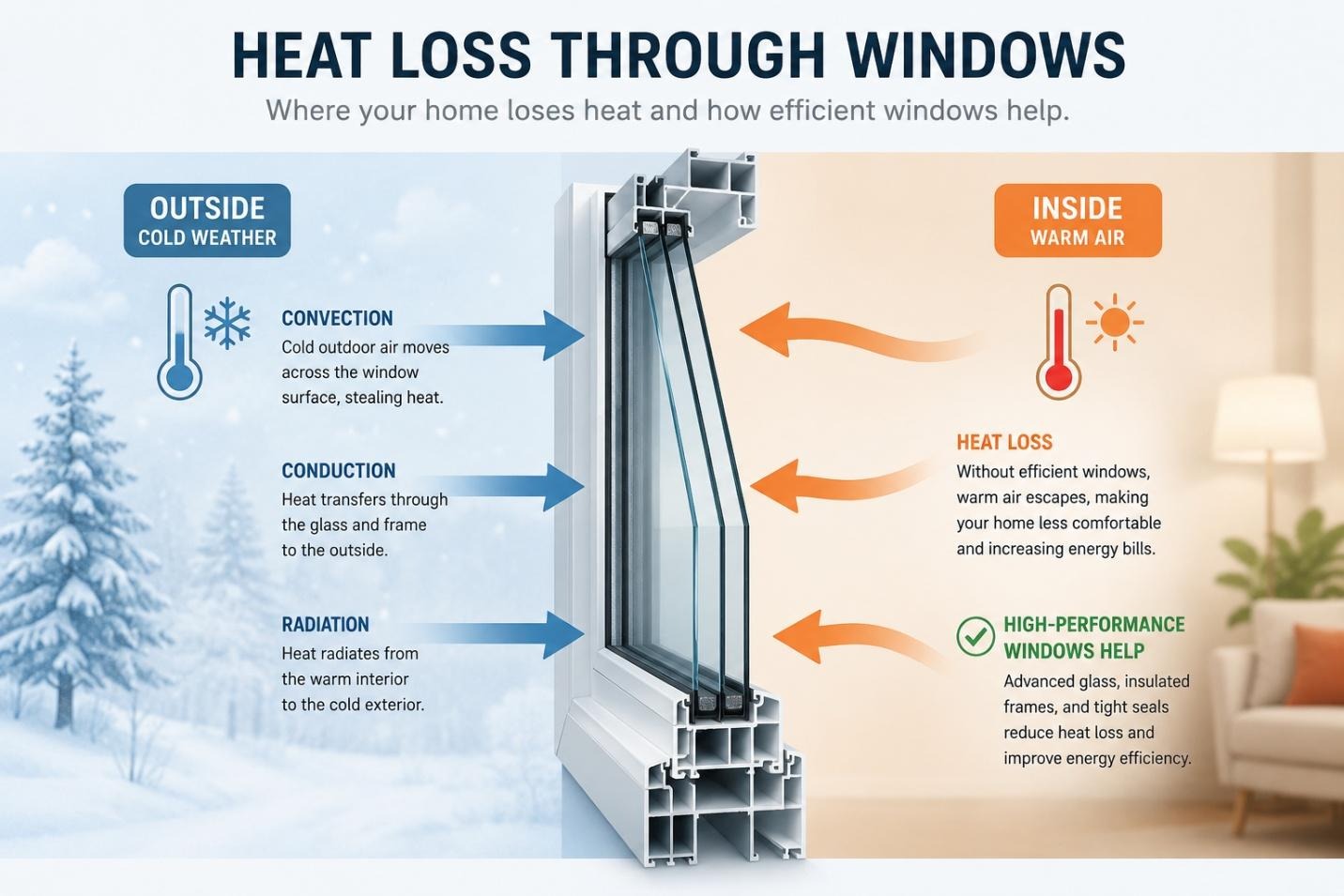
Since glass is one of the least insulated areas of a home's exterior, choosing high-performance windows can make a noticeable difference in comfort throughout the year.
For Ontario homeowners, where temperatures can swing from freezing winters to hot, humid summers, window performance is especially important.
Understanding U Factor
One of the most important ratings you'll encounter when comparing windows is the U Factor.
U Factor measures how effectively a window prevents heat from escaping your home.
Simply put:
- Lower U Factor = Better insulation
- Higher U Factor = More heat loss
During Ontario winters, windows with a lower U Factor can help keep warm air inside and reduce strain on your heating system.
While homeowners don't need to memorize specific ratings, understanding that lower numbers generally indicate better insulating performance can make comparing products much easier.
What Is Low E Glass?
Low E stands for "low emissivity."
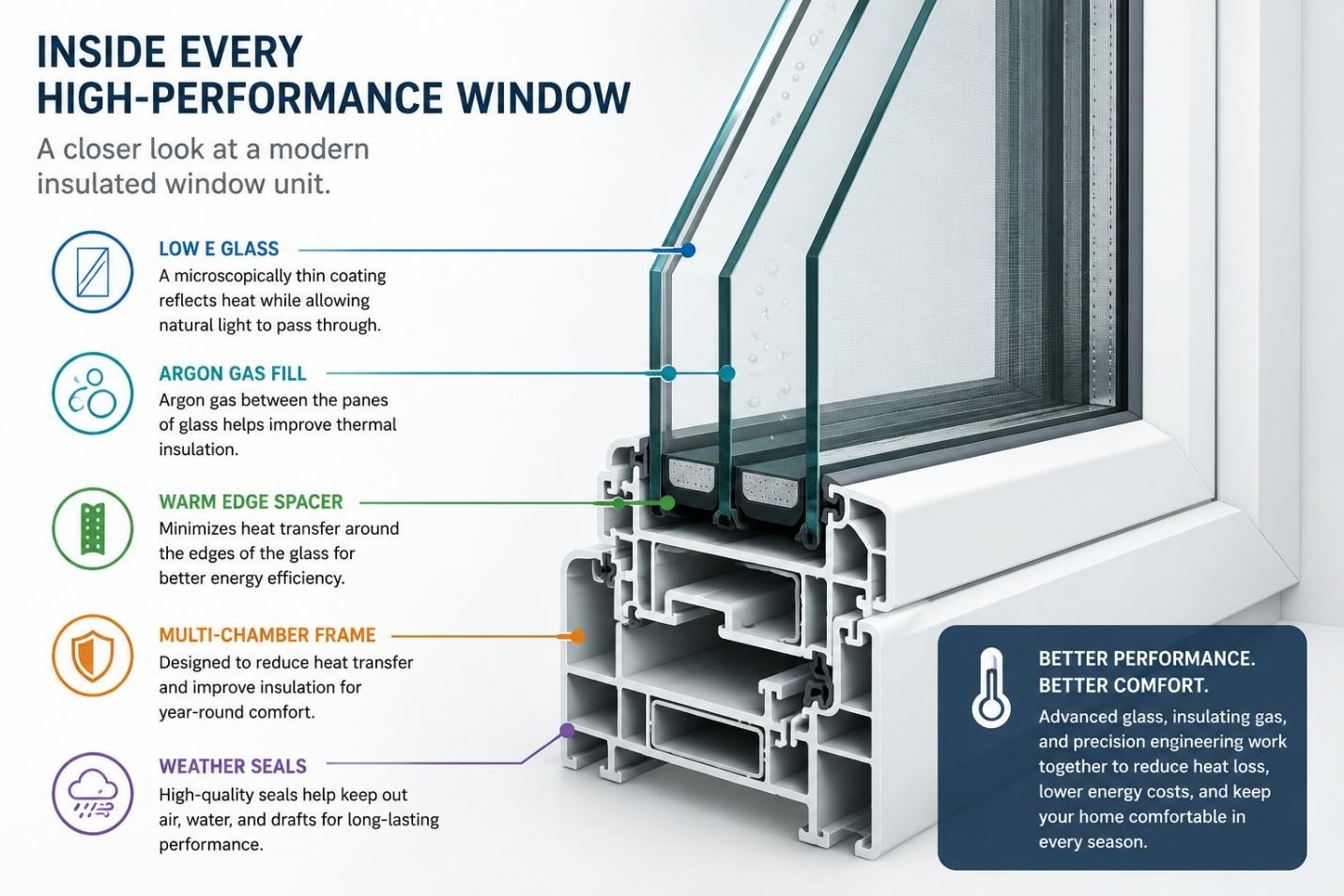
A Low E coating is an ultra-thin, transparent layer applied to the glass that helps regulate heat transfer.
In winter, it helps reflect heat back into your home.
In summer, it helps reduce unwanted solar heat gain.
The result is improved comfort throughout the year without sacrificing natural light.
Today, Low E glass is considered a standard feature in most high-quality replacement windows because of the performance benefits it provides.
Why Argon Gas Is Used Between Window Panes
Many modern windows contain argon gas between the panes of glass.
Argon is a colourless, odourless gas that provides better insulation than regular air.
When combined with quality glass and effective sealing systems, argon gas helps improve overall energy efficiency and thermal performance.
Homeowners won't see it, smell it, or notice it's there, but it plays an important role in helping windows perform more effectively.
Double Pane vs Triple Pane Windows
One of the most common questions homeowners ask is:
"Should I choose double pane or triple pane windows?"
The answer depends on your home's needs, budget, and performance goals.
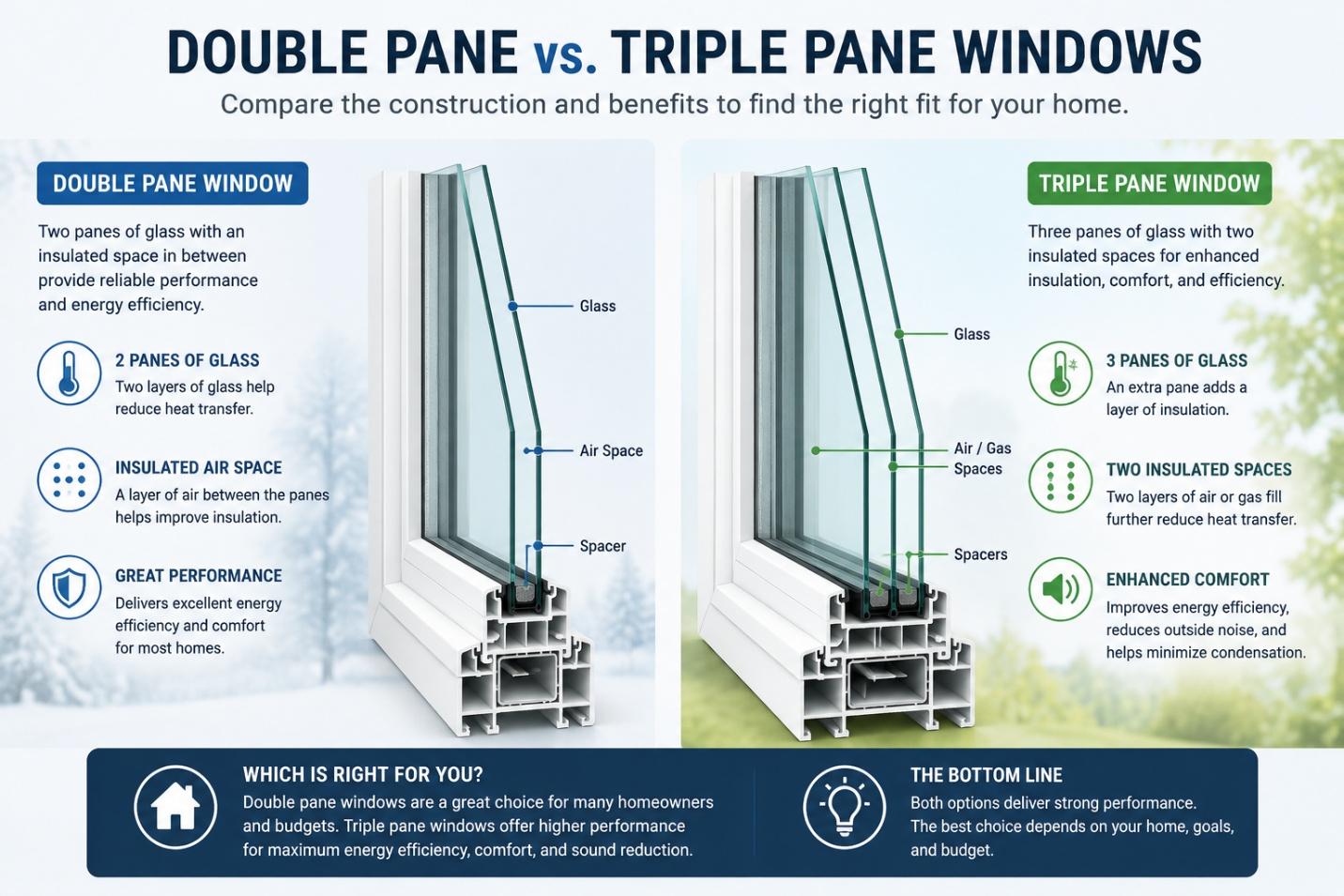
Double pane windows feature two panes of glass separated by an insulated space.
Triple pane windows add a third pane of glass, creating an additional layer of insulation.
Benefits of triple pane windows may include:
- Improved energy efficiency
- Better indoor comfort
- Reduced condensation
- Enhanced sound reduction
However, not every home requires triple pane windows. The right choice depends on factors such as window location, exposure, budget, and overall project goals.
A professional consultation can help determine which option makes the most sense for your home.
What Does ENERGY STAR® Certification Mean?
ENERGY STAR® is a widely recognized certification program that helps homeowners identify energy efficient products.
Windows that earn ENERGY STAR® certification meet specific performance standards for energy efficiency.
While certification is a valuable benchmark, it shouldn't be the only factor considered when comparing windows.
Frame quality, glass technology, hardware, weather sealing, and installation quality all contribute to overall performance.
Noise Reduction and Window Performance
Many homeowners focus on energy efficiency when shopping for windows, but sound control can be equally important.
If you live near a busy road, school, commercial area, or growing neighbourhood, upgrading your windows may help reduce outside noise entering your home.
Factors that influence sound performance include:
- Glass thickness
- Number of panes
- Air space between panes
- Frame construction
- Quality of installation
For many homeowners, a quieter home becomes one of the most appreciated benefits of replacing older windows.

Why Proper Installation Matters
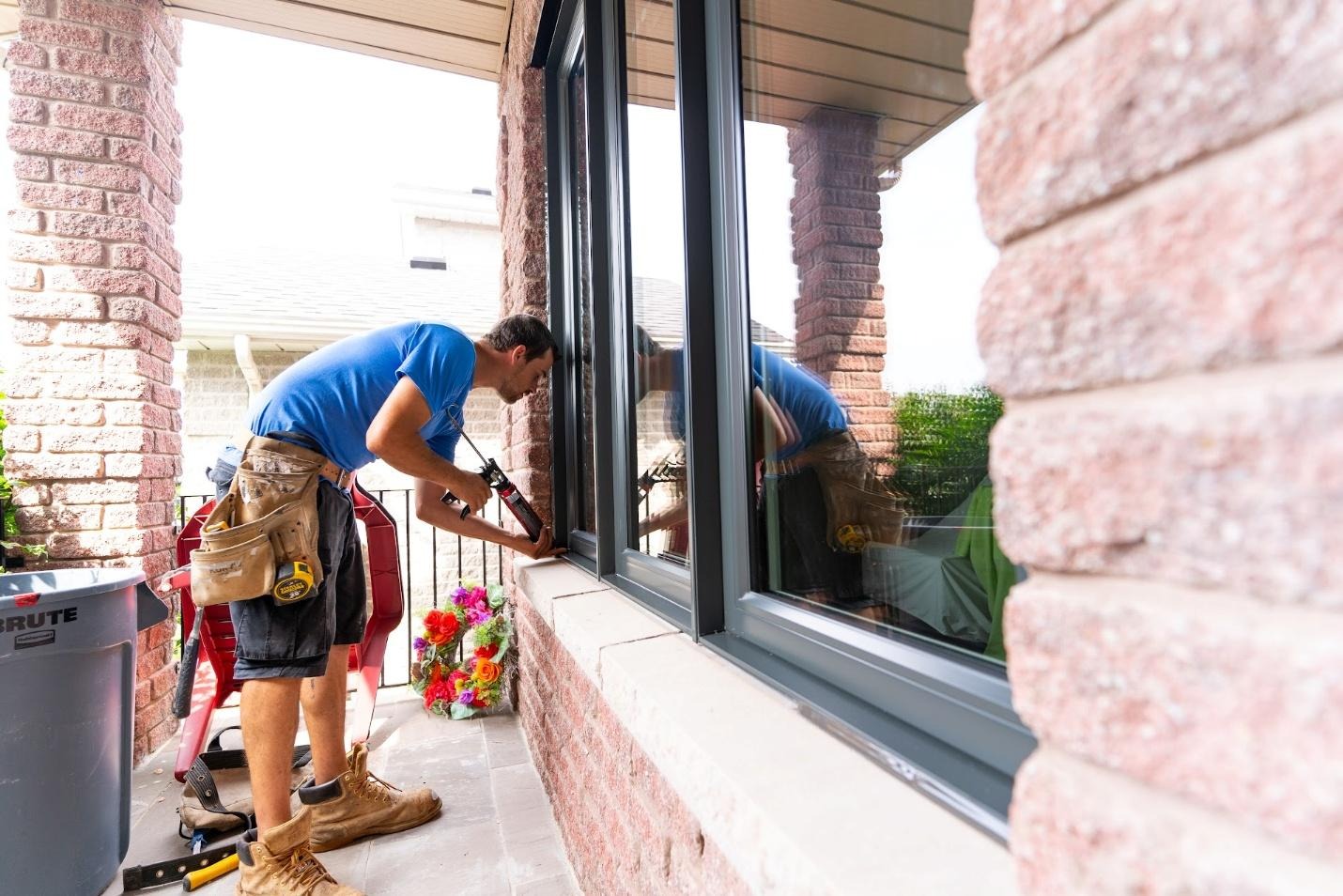
Even the highest performing window can underperform if it isn't installed correctly.
Proper measurements, insulation, sealing, and finishing all play a critical role in long-term performance.
Poor installation can lead to:
- Air leaks
- Water infiltration
- Reduced energy efficiency
- Operational issues
- Premature wear
That's why choosing the right window installation team is just as important as choosing the right window.
Looking at the Complete Window System
Many homeowners get caught up comparing a single feature or specification.
The reality is that window performance comes from multiple components working together.
A high-performing window system includes:
- A quality frame
- Energy-efficient glass
- Low E coatings
- Insulating gas
- Effective weather sealing
- Professional installation
When evaluating replacement windows, it's important to look at the complete package rather than focusing on one feature alone.
Choosing Windows with Confidence
Understanding window performance doesn't have to be complicated.
By learning the basics of insulation, glass technology, energy efficiency, and installation quality, homeowners can make more informed decisions and feel confident in their investment.
The best window for your home isn't necessarily the one with the most features. It's the one that delivers the right balance of comfort, efficiency, appearance, and value for your specific needs.
Whether you're replacing a single window or planning a whole home renovation, understanding performance is the first step toward making the right choice.
FAQs
What is the most important window performance rating?
Many homeowners focus on U Factor because it measures how effectively a window prevents heat loss and improves insulation.
Are triple pane windows always better than double pane windows?
Not necessarily. Triple pane windows offer additional insulation, but the best choice depends on your home's needs, budget, and performance goals.
Does installation affect window performance?
Absolutely. Even a high quality window can underperform if it isn't installed correctly. Proper installation is essential for long term comfort and efficiency.
June 16th, 2026